When law enforcement searches a car, home, phone, bag, or person, the search itself can become a major issue in the criminal case. If you are trying to challenge a criminal search in Fort Lauderdale, the details matter: what officers knew before the search, what they asked for, what you said, where they looked, what the warrant authorized, and how the property was handled afterward.
Do not assume that an arrest or seizure automatically makes the evidence admissible. Do not assume the opposite, either. A Florida criminal defense lawyer must review the facts, reports, recordings, warrant materials, and applicable exceptions before giving advice. Natalie Lopez, Esq. provides confidential consultations for people facing drug, weapon, DUI, resisting arrest, and other criminal accusations in Broward County. Review the firm’s criminal law defense services and contact the office promptly if a search led to your case.
What to Do Immediately After a Search or Seizure
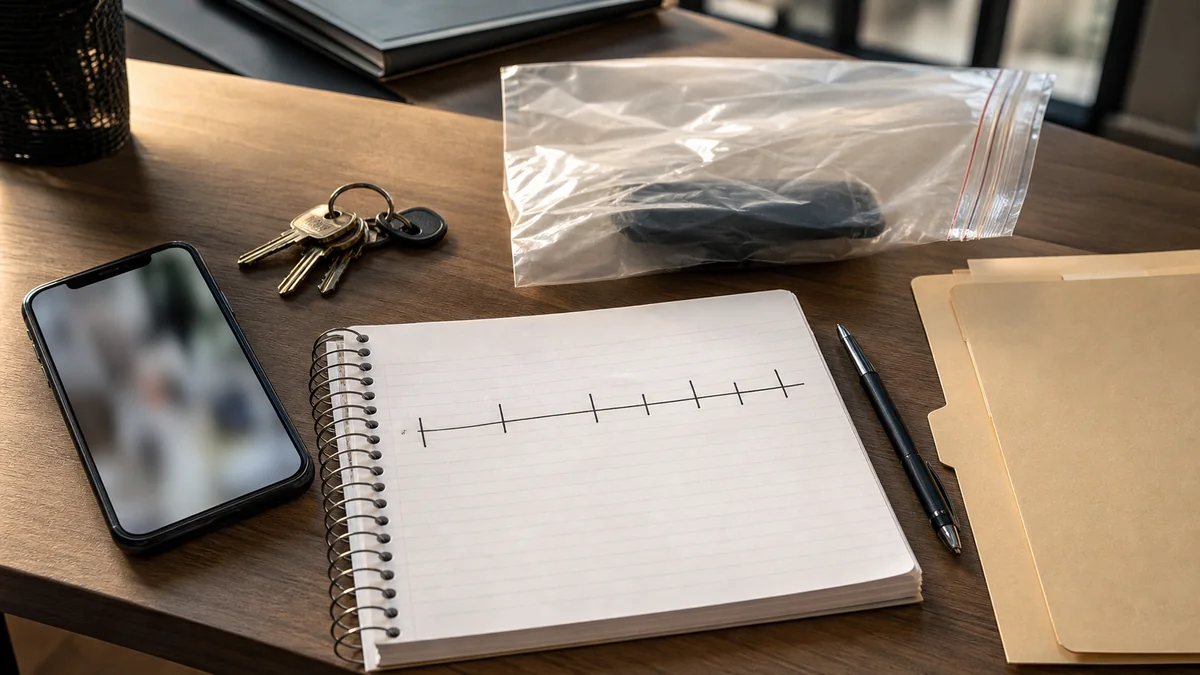
Write down what you remember while the sequence is still fresh. Include the date, approximate time, location, officers’ names or agency, vehicles, statements, requests for consent, areas searched, items taken, and anyone who saw the encounter. Save the original text messages, photographs, doorbell video, business-camera information, location history, and call logs. Do not edit files or post a detailed account on social media.
If you were arrested, follow release conditions and do not discuss the facts with witnesses, alleged victims, or people who may be investigated. A person charged with a drug crime, weapon offense, or resisting arrest should ask counsel about preservation before trying to obtain or confront evidence independently.
What Does It Mean to Challenge a Criminal Search?
In a criminal case, challenging a search usually means asking the court to examine whether the search or seizure complied with the United States Constitution, the Florida Constitution, Florida statutes, court rules, and the facts of the encounter. Depending on the circumstances, counsel may seek to suppress evidence, exclude statements connected to an unlawful search, challenge the chain of events, or use defects in the investigation during negotiations and trial preparation.
A suppression issue is not decided by a keyword or a single sentence in an incident report. The court may need to consider testimony, body-camera footage, dispatch records, photographs, warrant applications, consent language, and the precise location of each item. The result can depend on facts that are not visible from the charging document.
Florida Search Warrants Must Be Examined Carefully
Florida’s search-warrant statutes address probable cause, sworn applications, the property or person to be searched, and the items officers are authorized to seize. Florida Statute 933.04 describes the requirement that a warrant be supported by oath or affirmation and particularly describe the place and things involved. Florida Statute 933.07 addresses issuance after a judge examines the application and proofs.
Counsel may compare the affidavit with what officers actually knew before the search. The review can include whether the facts were stale, whether important information was omitted, whether the description was too broad, whether the warrant authorized the location searched, and whether the property taken matched the warrant’s terms. A defect is not automatically enough to end a case, so the legal and factual analysis must be specific.
Probable Cause and the Warrant Affidavit
Probable cause is evaluated from the circumstances presented to the issuing judge, not simply from the fact that officers later found something. A defense review may test the source of information, the reliability of an informant, the timing of observations, corroboration, photographs, controlled activity, and the connection between the suspected offense and the place searched.
The affidavit may also reveal whether the application relied on assumptions, copied language, or information that did not establish a fair connection to the specific person, room, vehicle, device, or container. The full application and any attachments are more useful than a brief reference to a warrant in a police report.
Scope, Particularity, and the Location Searched
A warrant is not a blank check to search every place an officer can reach. The location described, the objects listed, and the method of execution all matter. A search of a home may raise different questions than a search of a shared apartment, a locked room, a vehicle, a backpack, or an electronic device. The defense may need to identify who controlled the space and which areas were within the authorized scope.
Florida’s statutory chapter on search and inspection warrants includes rules concerning service, execution, returns, inventories, and copies of documents. The Florida Statutes Chapter 933 index is a starting point for reviewing the current statutory framework, but the statute must be applied to the particular facts of the case.
Consent Searches and Voluntary Permission
Officers sometimes ask for permission to search instead of obtaining a warrant. A consent issue may involve the words used, the setting, the number of officers, the person’s age and condition, whether a weapon was displayed, whether the person was told they could refuse, and whether the person understood what officers wanted to search. A person can also have authority over one area but not another.
Do not try to recreate the conversation by pressuring another person or asking an officer for an explanation without counsel. Preserve what you remember and identify witnesses. The question is not merely whether someone said yes. The circumstances surrounding the request and the scope of any permission may be important.
Traffic Stops and Vehicle Searches
A vehicle search can raise separate questions about the reason for the stop, the duration of the detention, statements made during the encounter, the location of the item, and the legal basis officers identified for looking inside the vehicle. A consent request, a claimed safety concern, an arrest, an inventory process, or an asserted exception can lead to different legal analysis.
Keep any citation, tow paperwork, photographs of the vehicle, repair records, and information about passengers. If the matter involved alcohol or drugs, the search may also affect a DUI and traffic offense defense. A traffic stop that leads to a resisting arrest allegation should be reviewed with the full recording and not only the final arrest narrative.
Home, Apartment, and Room Searches
Searches of residences often require a close look at the warrant, the address, the people present, the areas officers entered, and whether officers searched beyond the listed location. Shared homes and apartments can create questions about control, privacy, and consent. A landlord, roommate, guest, or family member may not have the same authority over every space.
If officers took property, ask counsel to review the inventory or receipt rather than relying on memory. Florida Statute 933.18 addresses when a search warrant may issue for a private dwelling. The statute is only one part of the analysis, and the warrant and execution records still need to be examined.
Phones, Computers, and Digital Accounts
Digital evidence can include a phone, computer, cloud account, location history, messages, photographs, social-media records, or data obtained from a service provider. The device’s physical seizure and a later search of its contents may involve different questions. Counsel may examine whether officers relied on consent, a warrant, an exception, a court order, or information provided by another person.
Do not delete files, reset a device, change a relevant account, or forward private material to friends. Preserve the original device and note when it was taken, who had access, and whether a passcode or account was provided. Florida’s official Chapter 934 communications statutes provide important context for some communications issues, but digital-search questions are highly fact dependent.
Protective Sweeps, Inventory Searches, and Probation Conditions
Not every search follows the same path. Officers may describe a protective sweep, an inventory search, an administrative inspection, or a search based on probation or another court-ordered condition. Each label should be tested against what actually happened and the authority officers relied on.
If the person was on probation, the conditions and supervising authority may be relevant. That does not mean every search is automatically valid, and it does not mean a person should violate a release or supervision condition. Talk with counsel before making assumptions, especially if the search led to a violation of probation allegation in addition to a new criminal case.
Body-Camera, Dash-Camera, and 911 Evidence
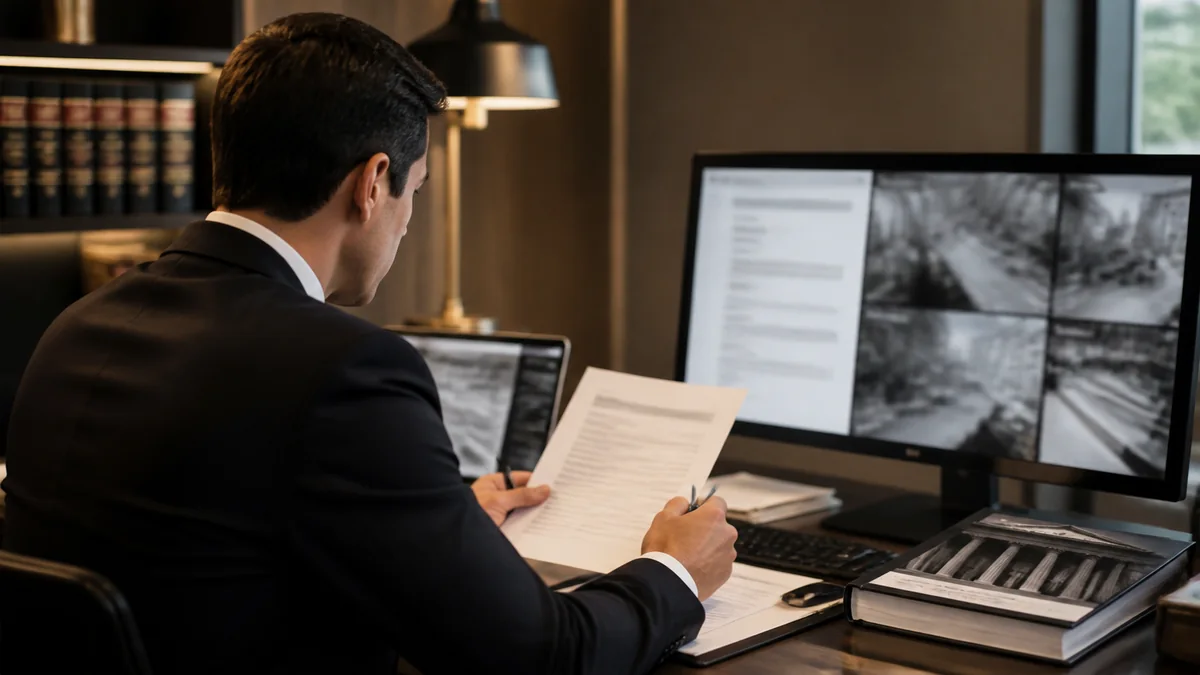
The complete video may show the request for consent, the officer’s explanation, the sequence of movement, the location of an item, and statements that are missing from a written report. Dash-camera video, dispatch audio, 911 calls, business surveillance, doorbell footage, and witness recordings can fill in timing and perspective.
The Fort Lauderdale Police Department body-worn camera policy is an official example of the type of agency record that may help explain recording practices. Policies do not decide an individual case, but they can help counsel identify which records to request and compare with the produced evidence. The Broward Sheriff’s Office public-records page also explains how records requests are submitted for records maintained by that agency.
Property Receipts and Chain of Custody
Record what was taken, from where, by whom, and when. A property receipt, inventory, evidence log, laboratory submission, and testing record may each contain information that matters. Differences in item descriptions, weights, packaging, timestamps, or locations do not automatically decide a case, but they should be documented and compared.
For a drug or firearm accusation, counsel may also need to examine testing, handling, ownership, access, and whether the evidence can be tied to the person charged. The Broward Sheriff’s Office arrest search can be useful for locating public booking information, but online records are not a substitute for the complete discovery in a criminal case.
Statements Made During or After the Search
Statements made before, during, or after a search may be used by the prosecution, but their context matters. A report may summarize a conversation without showing the question, tone, timing, or whether the person was confused, injured, tired, or under the influence. Counsel should review recordings and reports before deciding whether a statement can be challenged or explained.
Do not guess when speaking with investigators. If officers want a new interview, tell them you want to speak with a lawyer first. If the investigation involves an alleged violent offense, a violent-crimes defense lawyer can help evaluate the evidence and the sequence of the investigation without assuming that an accusation proves guilt.
How a Motion to Suppress May Fit Into the Case
Florida’s criminal procedure rules address motions to suppress evidence obtained through an unlawful search. The official Florida Rules of Criminal Procedure include the grounds, required contents, hearing process, and timing considerations for a suppression motion. A motion generally needs to identify the evidence at issue, the legal reasons for suppression, and a factual basis.
A motion is not a shortcut that guarantees dismissal. The court may hold a hearing, receive testimony, review exhibits, and decide whether the evidence should be excluded. A ruling may affect negotiations, the proof available at trial, or the way the defense approaches the rest of the case. It may also be only one part of a broader defense strategy.
Deadlines and Early Case Review Matter
Do not wait until trial preparation to mention that a search felt wrong. Early review can help preserve video, request warrant materials, identify witnesses, compare reports, and determine whether a motion or other filing is appropriate. The Broward County Public Defender’s early-representation information explains why early contact with counsel can matter for people who qualify for that office. Private representation also benefits from prompt evidence preservation.
People can check certain public case information through the Broward County Clerk case-search system. The Clerk’s felony division page provides additional public information about felony case records. These tools help with orientation, but they do not replace legal advice or the discovery provided in the case.
What to Bring to a Criminal Search Consultation
Bring the charging document, bond or release paperwork, citations, property receipt, warrant paperwork, photographs, videos, names of witnesses, and a short private timeline. Include information about the location searched, who lived there, who owned or controlled the property, and whether anyone gave permission. Tell counsel about related cases, probation, immigration concerns, or prior charges so the advice is based on the complete situation.
If the search involved alleged stolen property, review the firm’s theft and property-crimes defense information. If it involved a federal investigation, see the federal charges practice area. A case involving a sexual accusation, assault, or homicide may require an equally focused review of search evidence and related statements.
Common Mistakes to Avoid
- Deleting messages, photos, or videos because they seem embarrassing or unhelpful.
- Editing a recording, renaming files in a way that removes original information, or relying only on screenshots.
- Posting a detailed explanation online or asking witnesses to coordinate their stories.
- Assuming a warrant makes every action lawful, or assuming an unlawful search automatically ends the case.
- Ignoring a court date, release condition, subpoena, or request from counsel.
- Waiting to seek advice until records are overwritten or memories have faded.
Questions People Ask About Challenging a Search
Can a search challenge be raised if officers found contraband?
Potentially, but the discovery of an item does not answer whether the search was lawful. Counsel must evaluate the search authority, the scope, the evidence, and the applicable exceptions.
Do I need the warrant before speaking with a lawyer?
You can contact a lawyer without having every record. Tell counsel what you know and ask what documents or recordings should be requested. Do not delay a consultation simply because you do not have the warrant.
What if I consented to the search?
Tell counsel exactly what happened, including the words used, who was present, and what areas officers searched. The circumstances and scope of consent can matter.
Can a search issue help with a DUI or weapon case?
It may, depending on how the evidence was obtained and used. Search issues can appear in vehicle stops, roadside investigations, home searches, and digital-evidence cases. Review the facts with a lawyer rather than relying on a general rule.
Talk With a Fort Lauderdale Criminal Defense Lawyer
If a search or seizure led to an arrest, citation, or investigation, a timely review can help you understand what evidence exists and what questions need attention. Natalie Lopez, Esq. represents clients in Broward County in matters involving bond hearings, sex offenses, homicide, and other criminal allegations. To request a confidential consultation, visit the contact page or call 954.888.8833.
General information cannot determine whether a particular search was lawful. Preserve what you have, avoid discussing the facts publicly, follow every court or release requirement, and ask a Florida criminal defense attorney to review the record.