

Possession
Florida’s drug possession laws are defined under the Florida Statute 893.13, which prohibits the possession of controlled substances unless lawfully prescribed by a practitioner. The law categorizes illegal drugs into five schedules based on their potential for abuse, potential for physical and psychological dependency, and whether they are accepted for medical use. Some of the most commonly referenced substances include but are not limited to marijuana, cocaine, heroin, methamphetamine, ecstasy, and prescription drugs such as oxycodone and hydrocodone, when possessed without a valid prescription.
The severity of the penalties for drug possession in Florida varies significantly depending on the type and quantity of the drug involved. For example, the possession of 20 grams or less of marijuana is considered a first-degree misdemeanor, punishable by up to a year in jail, a fine of up to $1,000, and driver’s license suspension. On the other hand, possession of a controlled substance like cocaine is classified as a third-degree felony in Florida, with potential penalties including up to five years in prison, five years of probation, and a fine of up to $5,000.
It’s also worth noting that possession of a certain quantity of a controlled substance could result in trafficking charges, which carry much more severe penalties. As such, it’s crucial to seek legal advice if you find yourself facing any drug possession charges in Florida. If you or someone you know is facing possession charges, it is crucial to seek the assistance of a skilled criminal defense attorney. Contact Natalie Lopez Attorney at Law, P.A. today for a confidential case evaluation.
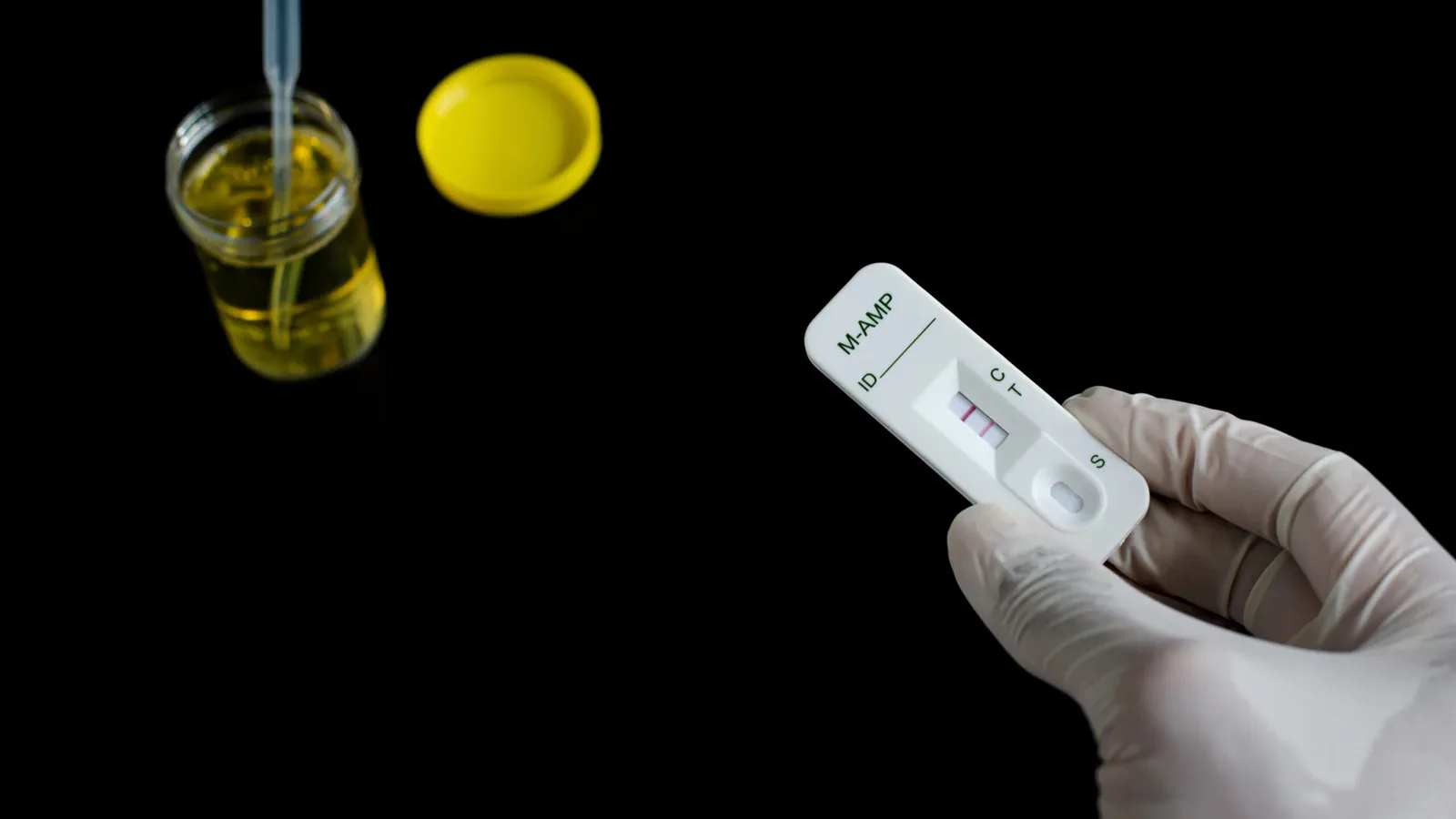
Possession with Intent to Sell
Florida’s drug laws, particularly as they relate to possession with intent to sell, are spelled out under Florida Statute 893.13. This statute criminalizes the possession of a controlled substance with the intention to sell, manufacture, or deliver. A critical factor in these charges is establishing ‘intent’, which is often inferred from the quantity of the drug found, the presence of packaging materials, large amounts of cash, or statements made by the defendant. The statute refers to a range of controlled substances, including but not limited to marijuana, cocaine, heroin, methamphetamines, ecstasy, and unlawfully possessed prescription drugs such as oxycodone or hydrocodone.
The penalties for possession with intent to sell vary widely depending on the type and amount of the controlled substance involved. For instance, possession of marijuana with intent to sell is typically classified as a third-degree felony, which can result in up to five years in prison, five years of probation, and a fine of up to $5,000. On the other hand, possession with intent to sell a substance like cocaine is a second-degree felony, carrying potential penalties of up to 15 years in prison, 15 years of probation, and a fine of up to $10,000. Importantly, if the offense occurs within 1,000 feet of a school, college, public park, or other specified areas, it is upgraded to a first-degree felony with even more severe potential penalties.
Given the severity of the consequences, anyone facing a charge of possession with intent to sell in Florida should consult with an experienced criminal defense attorney as soon as possible. To discuss your case and explore your legal options, please contact our law firm at 954-888-8833.
Trafficking
The Florida Statutes outline the state’s laws concerning drug trafficking in Section 893.135. Drug trafficking, according to Florida law, is a crime that involves the manufacturing, purchasing, selling, or possession of certain controlled substances above a specified weight. These substances can include marijuana, cocaine, heroin, methamphetamine, LSD, ecstasy (MDMA), and prescription drugs like Oxycodone, Hydrocodone, and others.
The penalties for drug trafficking under Florida law are particularly severe, and can vary depending on the type and quantity of the controlled substance involved. They can range from significant fines to mandatory minimum prison sentences. The severity of the penalties escalates with larger quantities and certain substances. It’s important to note that even if you are simply found in possession of a certain quantity of a controlled substance, you can be charged with trafficking. For instance, being found with more than 28 grams of cocaine can lead to a trafficking charge, regardless of whether you intended to distribute the substance.
Given the high stakes and mandatory minimum sentences associated with drug trafficking charges in Florida, individuals accused of such crimes should seek legal counsel immediately. It is crucial to have an experienced criminal defense attorney who can thoroughly evaluate the evidence, challenge the prosecution’s case, and explore all possible defenses on your behalf. If you are facing drug trafficking charges, do not hesitate to reach out to our firm at 954-888-8833 for a confidential consultation.
Drug allegations may turn on possession, knowledge, intent, laboratory identification, the location of evidence, or the legality of a search. Natalie Lopez, Esq. reviews the documents, deadlines, and facts that can affect the next legal decision.
The defense can assess whether evidence should be suppressed, whether possession or knowledge can be proved, whether charging thresholds are supported, and whether treatment or negotiated options are legally available.

Keep complete, original records whenever possible. The following material may help counsel compare the allegation with dates, communications, and objective documentation:
Read defending drug-crime charges in Fort Lauderdale. Related services include:
For a confidential consultation, contact the firm, call 954.888.8833, or email NLopez.Esq@gmail.com.