

Obstruction
Obstruction refers to the act of intentionally interfering with or obstructing the duties of law enforcement officers or other public servants in the performance of their official duties. In Florida, obstruction encompasses various offenses, including Resisting Arrest with and without violence, Obstruction by Disguise, and Obstructing Justice. These offenses are outlined under Section 843 of the Florida Statutes.
Resisting Arrest with Violence (Section 843.01, Florida Statutes):
Resisting Arrest with Violence occurs when an individual willfully and violently resists, obstructs, or opposes a law enforcement officer while they are performing their lawful duties. This offense involves using physical force or violence against the officer or other individuals present. Resisting Arrest with Violence is classified as a third-degree felony, punishable by imprisonment for up to five years and/or fines.
Resisting Arrest without Violence (Section 843.02, Florida Statutes):
Resisting Arrest without Violence refers to the willful act of resisting, obstructing, or opposing a law enforcement officer without the use of physical force or violence. This offense can include actions such as verbally resisting, evading arrest, or refusing to comply with lawful orders. Resisting Arrest without Violence is classified as a first-degree misdemeanor, carrying penalties of imprisonment for up to one year and/or fines.
Obstruction by Disguise (Section 843.03, Florida Statutes):
Obstruction by Disguise involves intentionally disguising oneself with the intent to obstruct the due execution of the law or to avoid the identification of one’s identity. This offense is also classified as a first-degree misdemeanor, punishable by imprisonment for up to one year and/or fines.
Obstructing Justice (Section 843.085, Florida Statutes):
Obstructing Justice involves knowingly and willfully influencing, intimidating, or impeding any witness, victim, or informant in a criminal investigation or proceeding. This offense can include actions such as threatening or bribing witnesses, tampering with evidence, or attempting to prevent communication with law enforcement. Obstructing Justice can range from a third-degree felony to a first-degree felony, depending on the specific circumstances. Penalties can include imprisonment for up to five years to thirty years, and fines.
At Natalie Lopez Attorney at Law, P.A., we understand the complexities surrounding obstructing justice cases and the importance of protecting your rights. If you are facing charges of obstructing justice, contact 954-888-8833 to schedule a confidential consultation. We are here to prepare to conquer your case and lead you to your legal destination through the criminal justice process.
Tampering
Tampering with a Witness involves the intentional interference or obstruction of the testimony, statements, or cooperation of a witness in a criminal investigation or proceeding. In Florida, this offense is taken seriously to protect the integrity of the legal system and ensure the fair administration of justice. Tampering with a Witness is outlined under Section 914.22 of the Florida Statutes.
Tampering with a Witness can take various forms, including:
Tampering with a Witness is a serious offense in Florida and carries significant penalties. The specific penalties depend on the circumstances and severity of the tampering:
In order to secure a conviction for tampering, the prosecution must prove certain elements beyond a reasonable doubt. This includes demonstrating that the accused person knowingly and intentionally engaged in conduct that interfered with evidence, witnesses, or the legal process. The state must establish that the tampering was done with the specific intent to obstruct justice or hinder the administration of justice.
If you are facing tampering charges, contact our firm at 954-888-8833 to schedule a confidential consultation.
A resisting-arrest case may turn on what officers ordered, whether the person understood, the timing of physical contact, and what body-camera video actually shows. Natalie Lopez, Esq. reviews the documents, deadlines, and facts that can affect the next legal decision.
The defense may compare reports with synchronized video, examine whether commands were clear and lawful, distinguish reflexive or accidental movement from intentional resistance, and evaluate any accompanying charge.
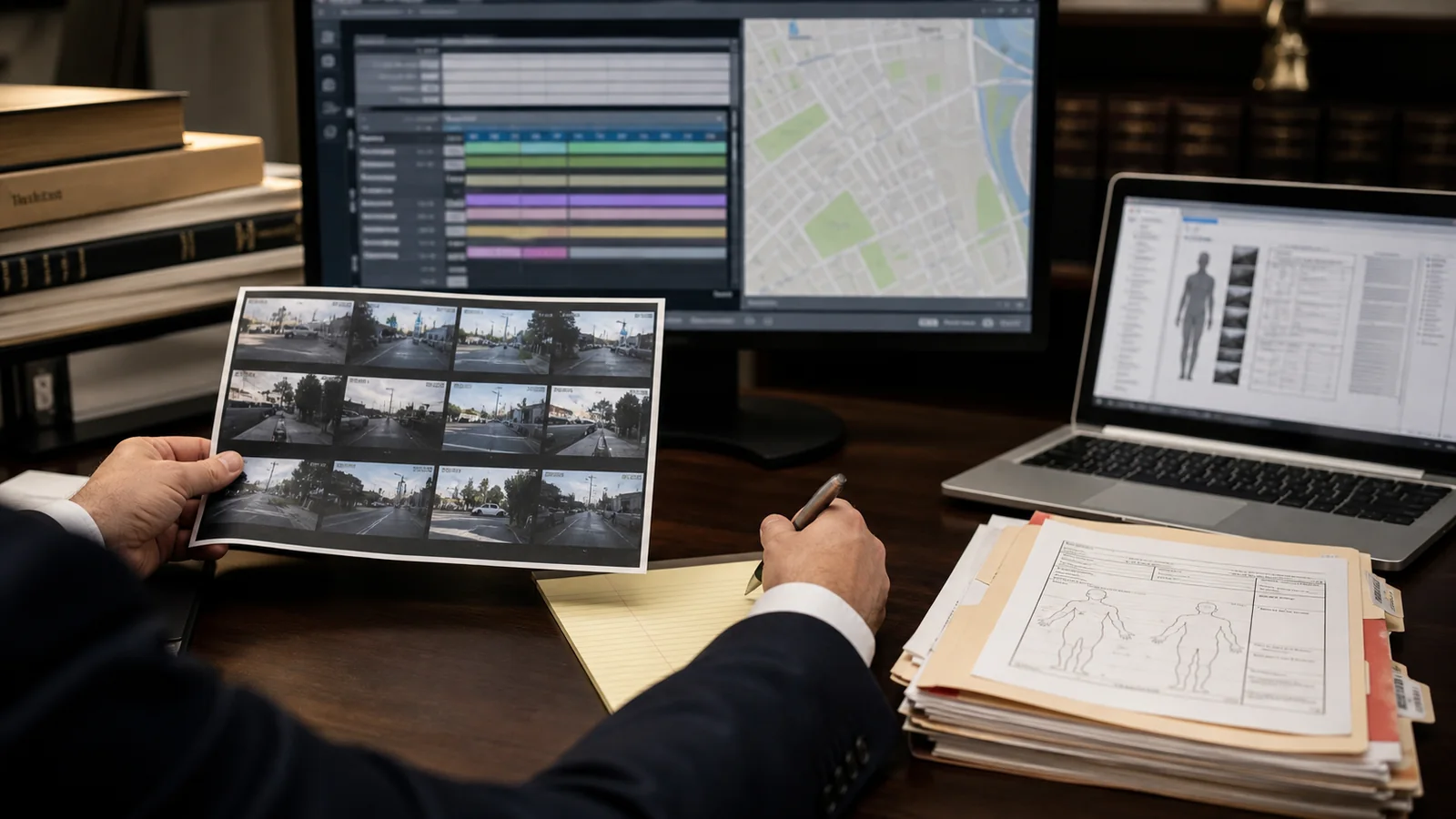
Keep complete, original records whenever possible. The following material may help counsel compare the allegation with dates, communications, and objective documentation:
Read the legal process after an arrest in Florida. Related services include:
For a confidential consultation, contact the firm, call 954.888.8833, or email NLopez.Esq@gmail.com.