
A drug possession arrest in Fort Lauderdale can move quickly from a traffic stop, street encounter, or search to booking and a first court appearance. The charge alone does not establish who owned an item, who knew it was present, whether the search was lawful, or whether a substance was accurately identified. Those questions depend on the evidence, and the earliest decisions can affect what evidence remains available.
This guide explains practical steps to take after an arrest, the records a defense lawyer may want to review, and the local resources families can use to locate reliable case information. It is general information, not a prediction about any individual case. Natalie Lopez, Esq. represents people facing drug charges in Broward County and offers a confidential consultation to discuss the facts of a specific arrest.
First Steps After a Drug Possession Arrest
Remain calm, do not physically resist, and avoid trying to explain the entire situation during the arrest. A person may provide basic identifying information while clearly stating that they wish to remain silent and speak with a lawyer. Detailed statements made while frightened or confused can create new disputes later, especially when several people, bags, rooms, or vehicles are involved.
Families can use the official Broward Sheriff’s Office Arrest Search to confirm custody information, charges, and an arrest number. The BSO database says its results are updated regularly, but court filings and charge decisions can change. The Broward Clerk public case search is a separate source for filed court records.

Preserve Records Before They Disappear
Write a private, factual timeline for your attorney while events are fresh. Include where each person was sitting or standing, who owned the vehicle or room, what officers asked, what was said about consent, whether a dog was present, and where the item was reportedly found. Do not post that account online or send it through a group text.
Preserve the booking sheet, citation, probable-cause affidavit, property receipt, tow information, prescriptions, photographs, messages, rideshare history, and location data. If a business, apartment complex, or residence may have surveillance footage, tell counsel promptly because many systems overwrite recordings. A lawyer can evaluate the proper way to request preservation without creating unnecessary contact with witnesses.
Possession Is Not Always the Same as Ownership
Drug cases frequently turn on location, knowledge, access, and control. An item recovered from a person’s pocket presents different factual questions than something found in a shared console, borrowed car, common bedroom, hotel room, or bag handled by several people. The prosecution must rely on admissible evidence, not simply proximity.
Do not ask another person to change a story, claim an item, delete a message, or hide property. That can harm both people and may create additional allegations. Preserve the original communications and let a Fort Lauderdale criminal defense lawyer assess how the evidence fits together.
How the Search Began Matters
A defense review should identify why officers initiated the encounter and how the search expanded. Relevant questions may include whether there was a traffic violation, arrest warrant, search warrant, claimed consent, probation condition, protective sweep, inventory search, or another stated justification. The analysis is specific to the place searched and the sequence of events.
Preserve dash-camera or doorbell footage in addition to body-camera information. If the arrest followed a stop, note the route, lighting, traffic conditions, passengers, and exact location. Related charges such as DUI or traffic offenses, resisting arrest, or weapon offenses may affect the evidence and release conditions.
Field Identification and Laboratory Testing Are Different
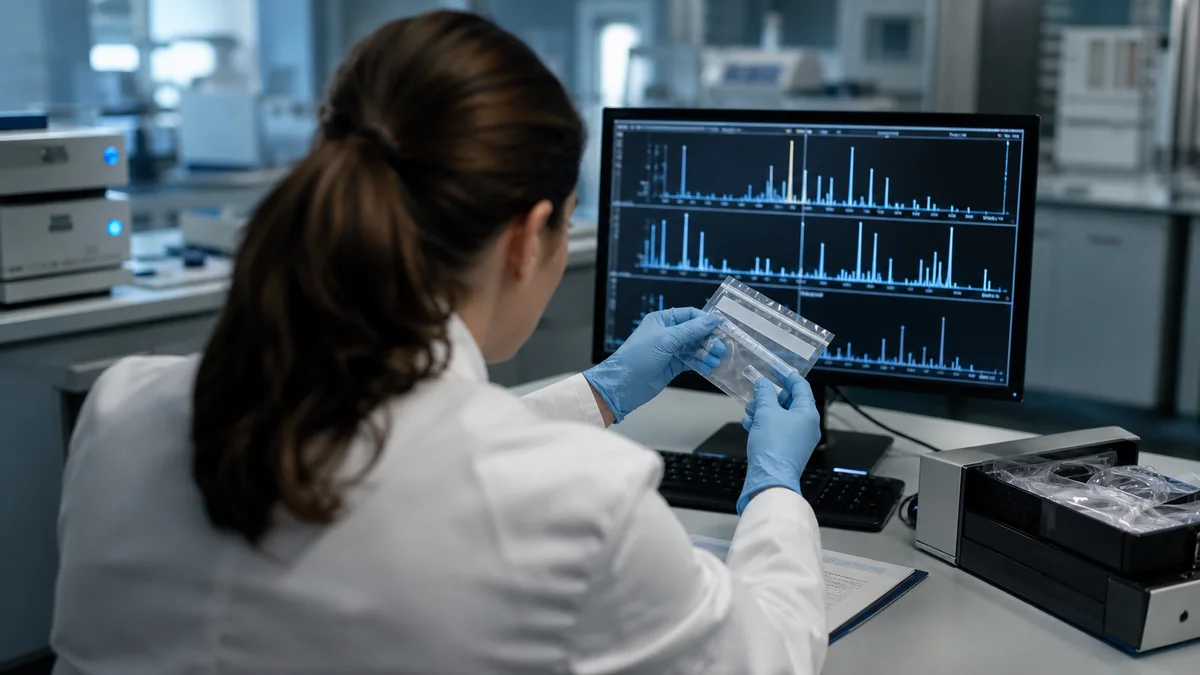
An accusation may begin with an officer’s observation or a field test, but forensic testing can become important when identity, weight, mixture, packaging, or contamination is disputed. The FDLE Forensic Services program describes Florida’s accredited regional laboratory system. FDLE also identifies seized-drug analysis as a forensic discipline.
Counsel may examine laboratory reports, submission records, packaging, weights, analyst notes, and the chain of custody when those materials are available through discovery. The point is not to assume that every case contains a testing problem. It is to compare the allegation with the actual evidence rather than relying only on a label in an arrest report.
Booking, First Appearance, and Bond
Someone who remains in custody is generally brought before a judge for first appearance. The Broward Public Defender’s early-representation guide explains that the judge addresses probable cause, release, and conditions at that hearing. Families should avoid assuming that an online bond amount is the only issue; holds, warrants, probation status, and no-contact conditions can affect release.
The official BSO bond information page explains how to confirm charges and bond details and describes cash and surety bond procedures. A person with a separate probation violation or out-of-county matter may face additional questions that should be reviewed before money is paid.
Court Dates and Filed Charges Require Close Attention
An arrest accusation and the charges ultimately filed in court are not always identical. Monitor the case with counsel and keep contact information current. The Broward Clerk felony division explains how felony records and court-hearing information can be obtained. Misdemeanor cases may appear through a different Clerk division.
Missing court can lead to a warrant and bond consequences. Save every notice, confirm whether personal appearance is required, and notify counsel immediately about an address change or genuine emergency. Do not rely only on a text reminder or a third-party website.
Prescription Medication and Lawful Possession Records
If the allegation concerns medication, preserve the original prescription container, pharmacy record, receipt, and prescriber information. Do not alter the label or place pills into a different container after the arrest. The date, patient name, quantity, and medication history may matter, but counsel should decide what is relevant and how it should be presented.
A prescription does not automatically answer every possible issue, and no single document guarantees a result. It can nevertheless be important evidence that should be secured rather than reconstructed months later.
Treatment Resources Can Be Relevant Without Replacing a Defense
When substance use is genuinely part of the situation, a voluntary assessment or treatment plan may support health and stability. It should be based on the person’s needs, not chosen merely to create an appearance for court. The federal FindTreatment.gov locator is a confidential public resource for finding mental-health and substance-use treatment facilities.
Treatment does not decide whether a search was lawful or whether the prosecution can prove possession. Discuss timing, privacy, release conditions, and available programs with counsel. Depending on the charge and history, counsel may also evaluate diversion or other case-resolution options without promising eligibility.
Digital Evidence May Clarify Access and Control
Messages, navigation history, vehicle records, digital keys, hotel reservations, and location information can help establish who had access to a place or item. Preserve devices and cloud accounts as they existed. Do not selectively delete conversations or ask another person to erase data.
A phone search raises its own legal and technical questions. Write down whether officers requested a passcode, used biometric access, displayed a warrant, or seized the device without searching it at the scene. Counsel can compare those facts with the warrant, return, and discovery rather than guessing.
Collateral Consequences Deserve Early Review
A drug allegation can intersect with employment, professional licensing, school, immigration status, driving privileges, housing, firearms, or an existing criminal case. Tell counsel about those issues at the first meeting. A strategy focused only on the immediate court date may miss a consequence that matters more to the client.
Noncitizens should seek advice from qualified immigration counsel about immigration-specific consequences. Students and licensed professionals should preserve notices and deadlines before responding. Someone interested in clearing an older matter can separately review sealing or expunging a criminal record, but eligibility is case-specific.
What to Bring to a Drug Charge Consultation
- The arrest number, jail location, bond information, and next court date.
- The probable-cause affidavit, citation, booking paperwork, and property receipt.
- A private timeline listing the people, places, vehicles, bags, and sequence of the search.
- Prescription and pharmacy records when medication is involved.
- Names and contact information for potential witnesses, without coaching them.
- Locations of surveillance, dash-camera, doorbell, or rideshare records.
- Information about probation, immigration, licensing, or another pending case.
A focused consultation should address what the state alleges, what has actually been filed, what evidence must be preserved, and what deadlines come next. Learn more about hiring a criminal lawyer in Fort Lauderdale and the firm’s confidential consultation process.
Common Mistakes After a Drug Arrest
- Posting an explanation, accusation, or photograph on social media.
- Contacting witnesses to coordinate accounts.
- Deleting messages, location data, or photographs.
- Missing court or violating a release condition.
- Assuming a field description is the same as a completed laboratory analysis.
- Waiting until surveillance footage has been overwritten.
- Ignoring a probation, immigration, licensing, or employment consequence.
The Florida Bar provides a public guide on how to hire a lawyer, including practical questions about experience, fees, and communication. A consultation should be specific enough to identify immediate work, not just repeat the charge name.
Questions People Ask After a Fort Lauderdale Drug Arrest
Does being near an item automatically prove possession?
No. Location is part of the evidence, but the analysis may also involve knowledge, access, control, statements, fingerprints, digital records, and whether a place was shared.
Should I give police my phone passcode to explain what happened?
Do not make that decision based on pressure or guesswork. Clearly request counsel and avoid consenting to additional searches before receiving advice about the specific circumstances.
Can my family pay a bond immediately?
First confirm the charge, custody location, bond amount, and any holds through official sources. A lawyer can help identify whether another warrant, probation issue, or release condition affects the situation.
Will treatment make the charge disappear?
No program guarantees dismissal. Treatment may be valuable for health and may be relevant to release or resolution in some cases, but the defense still requires review of the search, possession evidence, testing, and filed charge.
Speak With a Fort Lauderdale Drug Crimes Lawyer
A strong review begins with the arrest report, search sequence, location of the alleged substance, laboratory status, witness accounts, and release conditions. Natalie Lopez, Esq. can evaluate those facts, explain the next court stage, and identify evidence that should be preserved now. Call 954.888.8833 or request a confidential consultation.