
Published
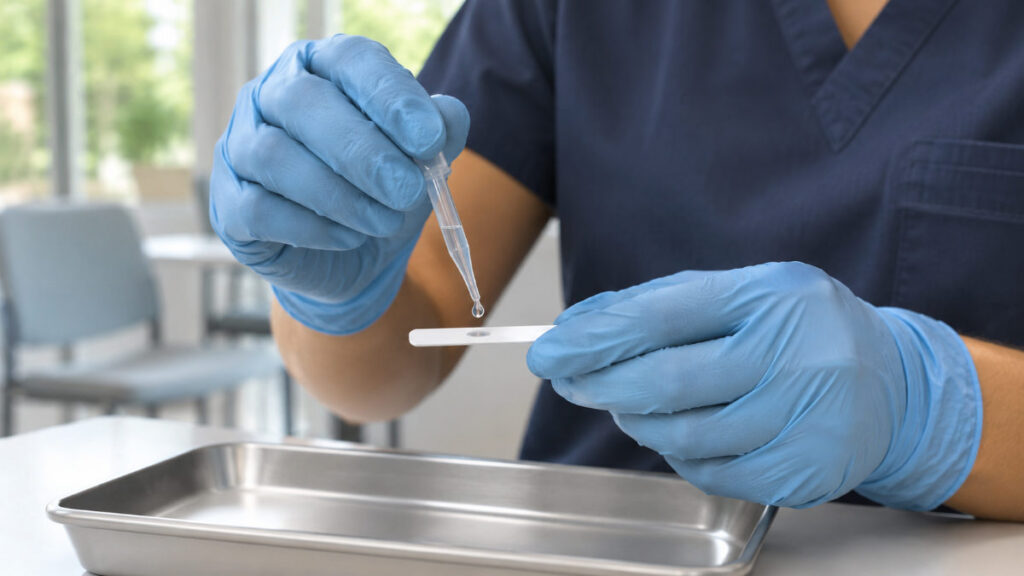
Florida’s drug-paraphernalia law covers a broad range of equipment and materials, but a 2026 amendment created a narrow exclusion for certain narcotic-drug-testing products. The change is specific: it concerns products used solely to determine whether a controlled substance contains fentanyl, a fentanyl analogue, or xylazine. It is not a general exemption for every testing device or every item connected to a drug investigation.
The current text of Florida Statutes section 893.145 defines drug paraphernalia. The Florida Legislature also identifies the 2026 amendment in House Bill 477, enacted as chapter 2026-157. The facts, the item’s capabilities, and the provision cited in a case still matter.
What the 2026 testing-product exclusion covers
Effective July 1, 2026, Florida amended the definition to exclude certain narcotic-drug-testing products when they are used solely to determine whether a controlled substance contains fentanyl, a fentanyl analogue, or xylazine. The law draws a technical boundary: the exclusion does not cover a product that can measure or determine the quantity, weight, or potency of a controlled substance.
That means the product’s documented capabilities and intended use are important. A label alone may not answer what a particular device can do. Instructions, manufacturer materials, packaging, and other reliable product information may help clarify the issue.
Why this is a limited change, not a blanket defense
The amendment changes part of the statutory definition. It does not erase other provisions of Florida’s controlled-substance laws, decide whether a separate alleged offense occurred, or make every object used around a controlled substance exempt. Nor does it determine the facts of a particular arrest or investigation.
Section 893.147 addresses specified conduct involving paraphernalia, including use or possession with intent to use for certain purposes. Different subsections address different conduct and may carry different classifications. A careful review starts with the exact subsection and allegations rather than assuming that the word “paraphernalia” describes the whole case.
For a broader overview of the firm’s work involving controlled-substance allegations, see the drug crimes practice area.
How Florida evaluates an item’s context
When an item is not covered by a specific statutory exclusion, section 893.146 lists factors that may be considered in determining whether it is drug paraphernalia. These include statements about the item’s use, its proximity in time and place to an alleged violation or controlled substances, residue, instructions, descriptive materials, advertising, how it was displayed for sale, legitimate uses in the community, and expert testimony.
The statute calls for consideration of relevant factors; it does not make one detail automatically decisive. Context can matter. For example, a product’s ordinary lawful use, what its instructions say, and whether residue or other items were present may be part of the overall analysis.

Records that may help explain a testing product
If an item is part of an investigation, potentially useful records may include the product name and model, original packaging, instructions, manufacturer specifications, receipts, and any communications explaining how it was acquired or used. Preserve material in its original form and note where it came from. Do not alter images or documents, coordinate accounts with witnesses, or post sensitive case details publicly.
Questions for a lawyer may include:
- Which statute and subsection are listed in the charging document or report?
- Does the product fall within the 2026 exclusion’s specific purpose and limits?
- Can it measure quantity, weight, or potency, and what do the manufacturer materials say?
- What other items, statements, or circumstances does the state rely on?
- Are there release conditions, court dates, or evidence-preservation concerns that need attention?
Common questions
Are all fentanyl test strips excluded from Florida’s paraphernalia definition?
The statute describes a limited category of narcotic-drug-testing products and a specific purpose. The product’s actual function and whether it can measure quantity, weight, or potency can matter, so a product name by itself may not resolve the question.
Does the 2026 law make other drug charges go away?
No. The change concerns the definition of drug paraphernalia. It does not itself resolve allegations involving controlled substances or other conduct under separate statutes.
Does possessing a testing product automatically establish a paraphernalia offense?
No single label or item necessarily answers the legal question. Section 893.147 addresses specified conduct and intent, while sections 893.145 and 893.146 provide the definition and relevant factors. The allegations and evidence should be assessed under the provisions actually cited.
For information about representation in a specific matter, consult a qualified Florida attorney. This article is general legal information, not legal advice for an individual case. It does not predict an outcome or create an attorney-client relationship. Laws and their application can change.