A weapon arrest in Fort Lauderdale does not answer the legal questions that decide the case. The state may still need to prove what the item was, who possessed or controlled it, whether the person was legally eligible to possess or carry it, and whether police lawfully obtained the evidence. A weapon offense lawyer Fort Lauderdale residents contact should begin with the exact statute and facts, not assumptions based on the booking label.
Do not discuss ownership, permits, prior convictions, or how the item arrived at the location before speaking with counsel. Do not ask another person to claim or move evidence. Preserve receipts, licenses, messages, photographs, travel records, and video without editing or posting them.
Natalie Lopez, Esq. defends clients facing weapon and firearm charges in Fort Lauderdale and Broward County. Prompt review can help identify the possession theory, evaluate the stop or search, preserve body-camera and location evidence, and prepare for bond and court.
When to Contact a Weapon Offense Lawyer in Fort Lauderdale
Contact counsel promptly after an arrest, traffic stop, search, or seizure involving a firearm, ammunition, knife, electric weapon, or other alleged weapon. Early advice is also important when police ask for an interview, claim that a weapon is connected to another offense, or investigate whether a person is legally prohibited from possession.
A lawyer can verify the filed charge, identify the relevant subsection, and advise on communication. The facts may involve carrying, possession by a prohibited person, improper exhibition, discharge, an altered serial number, possession in a restricted place, or an allegation that a weapon was used during another offense.
Do not assume Florida’s permitless concealed-carry law makes every possession lawful. Eligibility requirements, prohibited locations, age, prior record, injunctions, and the manner of possession can still matter.
Florida Weapon Charges Are Not All the Same
Chapter 790 of the Florida Statutes contains many separate offenses and exceptions. The legal analysis can change based on the type of item, where it was located, whether it was concealed or openly carried, the person’s eligibility, and whether another alleged crime was occurring.
Florida Statute section 790.01 authorizes concealed carry for a licensed person or a person who otherwise satisfies specified license criteria. It also describes offenses for a person who carries while not meeting those requirements. The state bears the burden described in the statute in a prosecution under its ineligibility provisions.
Other statutes address possession by a convicted felon or certain delinquent offenders, improper exhibition, unlawful discharge, weapons at schools, firearm use during another criminal offense, and altered identifying marks. Counsel must analyze the charge actually filed.
Actual Possession and Constructive Possession
Actual possession
Actual possession generally involves an item on the person or so close as to be readily within reach and under control, depending on the governing law and facts. Body-camera footage, photographs, clothing, fingerprints, DNA, and statements may be relevant.
Constructive possession
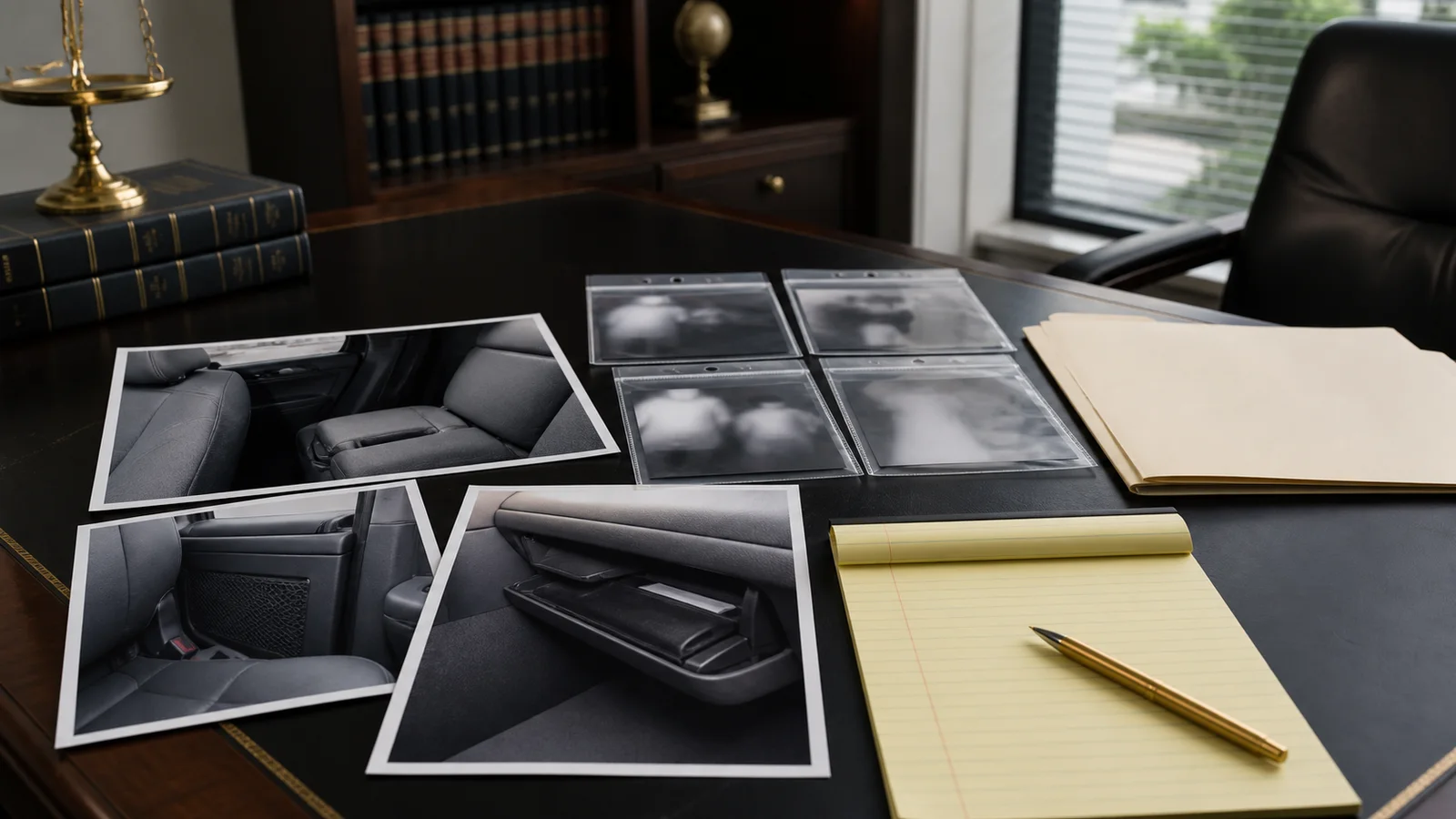
Constructive-possession allegations often arise when an item is found in a vehicle, bedroom, bag, shared home, hotel room, or other location rather than directly on the accused. Knowledge and the ability to exercise control can become disputed. Mere proximity may not answer who knew about or controlled an item in a jointly occupied space.
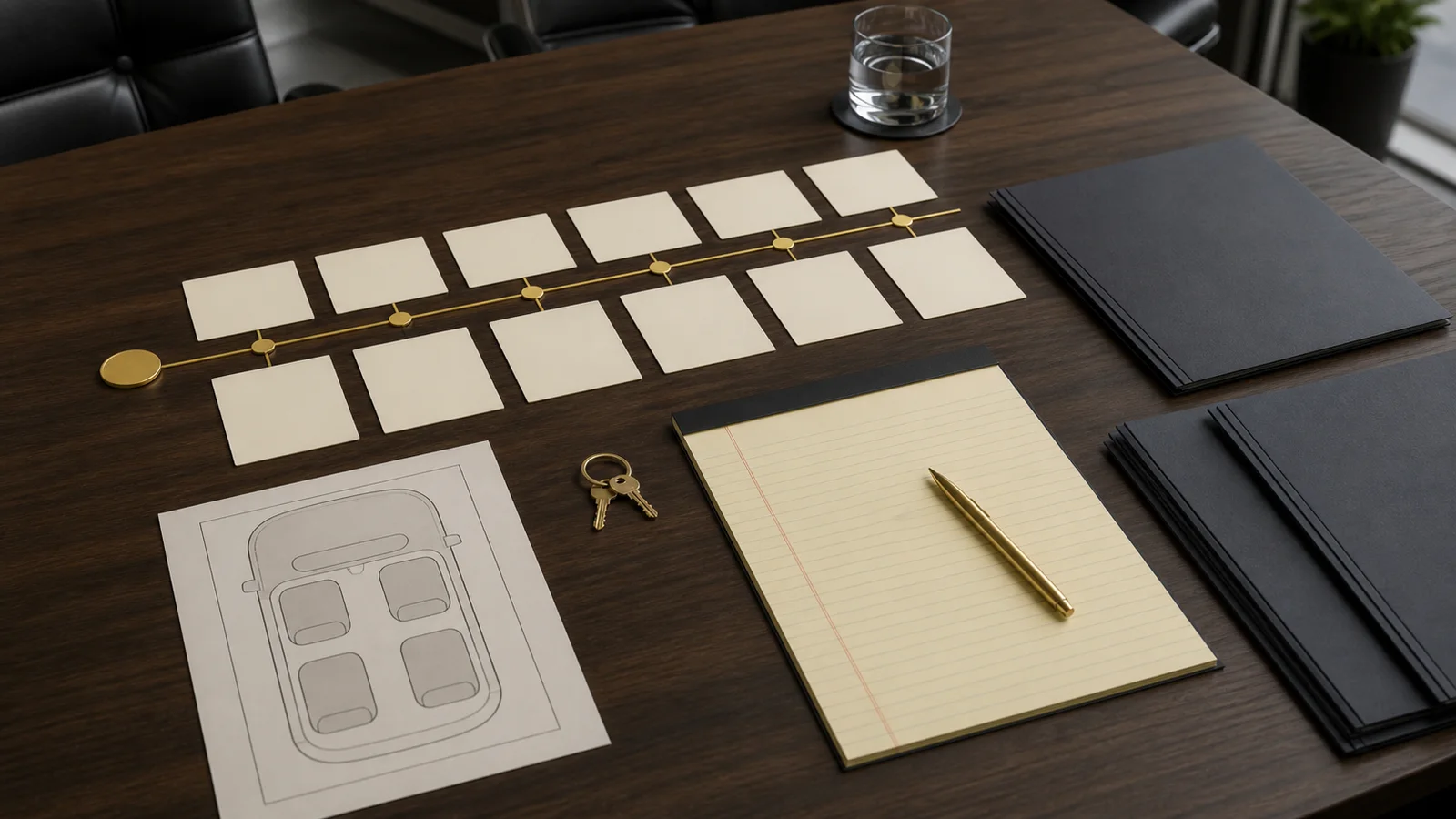
Evidence about ownership, access, keys, seating position, storage, statements, fingerprints, messages, and other occupants may matter. A detailed timeline can help establish who used the place and when.
Possession by a Convicted Felon
Florida Statute section 790.23 restricts firearm, ammunition, and certain weapon possession by people with qualifying felony or delinquency histories. The statute contains definitions, exceptions, classifications, and enhanced provisions that require close review.
A lawyer may need certified records to determine the exact prior disposition, jurisdiction, restoration status, age connected to a juvenile adjudication, and whether the item meets a statutory definition. The defense may also dispute possession, knowledge, identity, or the legality of the search.
Do not rely solely on a memory that a prior case was “closed” or “withheld.” Obtain the actual judgment and legal history. Federal law may create additional issues, so some investigations require coordination with the firm’s federal criminal-defense practice.
Improper Exhibition and Alleged Threatening Conduct
Florida law separately addresses exhibiting certain weapons in a rude, careless, angry, or threatening manner when not in necessary self-defense. A case may turn on what was displayed, the manner of display, witness perspective, words, distance, video, and whether the conduct was defensive.
Witness accounts can differ sharply during a fast encounter. Preserve surveillance footage, doorbell video, vehicle video, photographs, messages, and the identities of neutral witnesses. Do not contact an opposing witness directly to argue about what happened.
When a weapon allegation is connected to an assault or battery accusation, review may overlap with Natalie Lopez’s violent-crime defense services. Each charge must still be proven through its own elements.
Search and Seizure Issues in Weapon Cases
Weapon evidence may be discovered during a traffic stop, pat-down, vehicle search, home search, probation search, consent search, or search following an arrest. Defense counsel may review why the encounter began, how long it lasted, what officers observed, whether consent was voluntary, the scope of any warrant, and when statements were made.
A successful suppression argument is never automatic. The actual reports, video, warrant materials, location of the evidence, officer testimony, and controlling law determine whether a challenge is available. If evidence was found in a shared vehicle or home, standing and privacy questions may also matter.
Evidence Natalie Lopez May Review
Preparation for a Fort Lauderdale weapon case may include:
- The arrest report, probable-cause affidavit, citations, and charging document;
- Body-camera, dash-camera, surveillance, and dispatch recordings;
- Search warrants, consent forms, inventories, and property receipts;
- Photographs, fingerprint or DNA reports, and chain-of-custody records;
- Firearm, ammunition, purchase, transfer, or license records;
- Certified records concerning any alleged disqualifying conviction or injunction;
- Vehicle ownership, seating, keys, access, and statements by other occupants;
- Messages, location data, receipts, and witness information; and
- Evidence supporting lawful possession, lack of knowledge, or self-defense.
Clients should explain both favorable and unfavorable facts privately. An accurate account helps counsel compare the police narrative with objective evidence.
Statements After a Weapon Arrest
A person may feel pressure to explain that a firearm belongs to someone else, was forgotten, or was carried for protection. An incomplete explanation can create new disputes about knowledge, ownership, access, or another person. Request counsel before answering substantive questions.
Do not lie or submit false documents. Record the names of officers and preserve paperwork. If law enforcement already took a statement, tell your lawyer exactly what was asked and answered, whether the conversation was recorded, and what happened before the interview.
Bond and Release Conditions
A judge may consider the filed charge, prior record, community ties, safety concerns, and other legally relevant facts when addressing release. Conditions may prohibit weapon possession and require compliance with other restrictions. Follow every order exactly, including surrender instructions.
A lawyer preparing for a Broward County bond proceeding may present reliable information about residence, employment, health, family responsibilities, and proposed conditions. Family members should avoid moving or handling evidence unless instructed by law enforcement or counsel through a lawful process.
Potential Defense Issues in a Weapon Case
Potential issues may include lack of knowledge, lack of possession or control, joint occupancy, lawful eligibility, an item that does not meet the statutory definition, self-defense, unreliable witness testimony, mistaken identity, an inaccurate prior-record allegation, or an unlawful search or statement.
In an exhibition or discharge case, video, acoustics, location, necessity, intent, and witness vantage points may matter. In an altered-serial-number case, knowledge of the alteration can be a critical factual question. In a possession case, the state still must connect the accused to the item under the applicable law.
Natalie’s broader Fort Lauderdale criminal-defense practice can address related counts and coordinate the strategy when a weapon allegation appears alongside another criminal charge.
Frequently Asked Questions About Florida Weapon Charges
Does permitless carry mean anyone may carry a concealed firearm?
No. Section 790.01 ties unlicensed concealed carry to satisfying specified eligibility criteria, and other restrictions and prohibited locations remain relevant.
Can I be charged if the weapon was not mine?
Ownership and possession are related but different issues. The state may rely on actual or constructive possession. Knowledge, access, control, location, and other occupants can matter.
Should I retrieve proof of purchase from the location police searched?
Do not return to move or alter potential evidence. Tell counsel what records exist and where they are so they can be preserved lawfully.
Can a weapon charge become federal?
Some possession, status, firearm, or related conduct may implicate federal law. The person’s history, item, circumstances, and agency involvement require specific review.
Can Natalie help before charges are filed?
Yes. Pre-filing representation may include investigator communication, evidence preservation, search review, and preparation for possible arrest or court.
Speak With a Weapon Offense Lawyer in Fort Lauderdale
If you were arrested or are under investigation for a weapon or firearm offense in Broward County, preserve the records and avoid additional statements until you understand the charge. Natalie Lopez, Esq. can review the possession theory, search, prior-record allegation, video, witness accounts, and possible defenses. Request a confidential consultation or call 954.888.8833 to discuss criminal-defense representation in Fort Lauderdale.