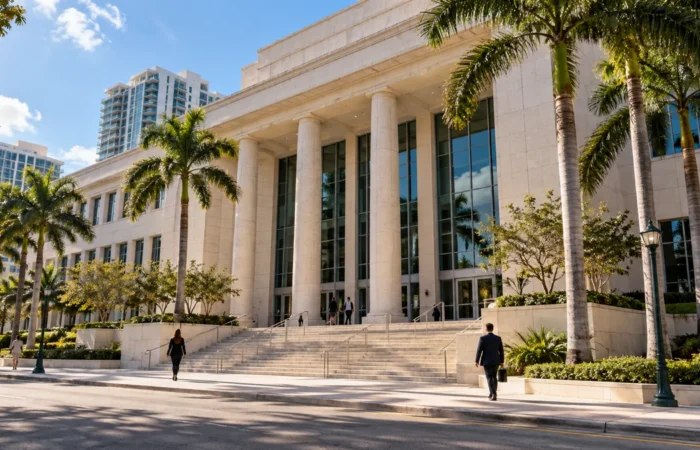
A Broward County injunction hearing is a court proceeding at which a judge may receive testimony, review admissible evidence, and decide whether a protective injunction should be entered, continued, modified, or denied. The exact issues depend on the petition, the type of injunction requested, any temporary order, service, and the evidence presented by both sides.
Do not ignore the hearing because a temporary order was denied or because you believe the allegations are obviously true or false. A final hearing can affect contact, residence, firearms, employment, parenting, immigration, related criminal cases, and future court proceedings. Petitioners and respondents should preserve records and obtain case-specific advice promptly.
Natalie Lopez, Esq. assists clients with petitions for injunctions in Broward County, defense against petitions, modification or dissolution of old orders, and related allegations. Representation is tailored to the client’s legal position and safety concerns; no outcome can be guaranteed.

Which Type of Florida Injunction Is Involved?
Florida has different civil injunction procedures for domestic violence, dating violence, repeat violence, sexual violence, and stalking. The legal relationship between the parties, the conduct alleged, and the statutory requirements affect which petition is appropriate. Selecting the wrong category can create avoidable confusion even when the underlying concern is serious.
A domestic-violence petition generally concerns specified family or household relationships. Dating-violence, repeat-violence, sexual-violence, and stalking petitions have their own definitions and requirements. The court considers the allegations and evidence under the law that governs the specific petition, not a general sense that the parties should remain apart.
Related service pages explain dating-violence injunctions, repeat-violence injunctions, sexual-violence injunctions, and stalking injunctions. A lawyer can compare the petition with the current statutory elements and available proof.
What Happens When an Injunction Petition Is Filed?
The petition is submitted to the circuit court and typically signed under oath. A judge reviews the written allegations and may enter a temporary ex parte injunction, deny temporary relief, or set the matter for a hearing as permitted by law. “Ex parte” means the initial request may be considered without the respondent present; it is not the final evidentiary determination.
A temporary injunction can impose immediate restrictions until the final hearing. Read every provision carefully. A person subject to a temporary order should comply even if the person disputes the allegations. Contacting the petitioner to “clear things up,” using another person to deliver a message, or approaching a prohibited location can create additional legal problems.
The petitioner should also follow the order exactly and preserve information concerning attempted contact, service, safety planning, and upcoming court dates. Court staff can explain filing procedures but cannot provide personal legal strategy.
Service and Notice Before the Final Hearing
Service informs the respondent of the petition, temporary order if any, and hearing. The service date and documents delivered can matter. Bring the complete packet to counsel, including attachments and any notice that changes the hearing date.
If service has not occurred, do not assume the case is over. The court may continue the hearing or address service according to applicable procedure. Petitioners should keep contact information current with the clerk while protecting confidential information through lawful procedures when needed.
A respondent who learns about a case informally should not evade service or contact the petitioner. Counsel can inspect the docket, confirm the hearing, and explain how to prepare without escalating the situation.
Evidence for a Broward County Injunction Hearing
Evidence should connect directly to the allegations and legal elements. More material is not always better. A focused timeline, complete communications, authenticated photographs, relevant records, and witnesses with personal knowledge can be more useful than a large collection of repetitive screenshots.
Potential evidence may include:
- Complete text, email, voicemail, or social-media exchanges;
- Call logs and account records showing dates and times;
- Photographs or videos preserved in their original form;
- Police, medical, school, workplace, or property records when relevant and lawfully obtained;
- Prior court orders and evidence of service;
- Location, travel, or access records that support or contradict a timeline;
- Witnesses who personally observed relevant events; and
- A concise chronology identifying disputed and undisputed facts.
Do not alter files, crop away context, create a new account to view restricted content, or ask a child or witness to memorize a statement. Preserve originals and discuss admissibility, authentication, hearsay, privilege, and witness preparation with counsel.
What Happens During the Final Injunction Hearing?
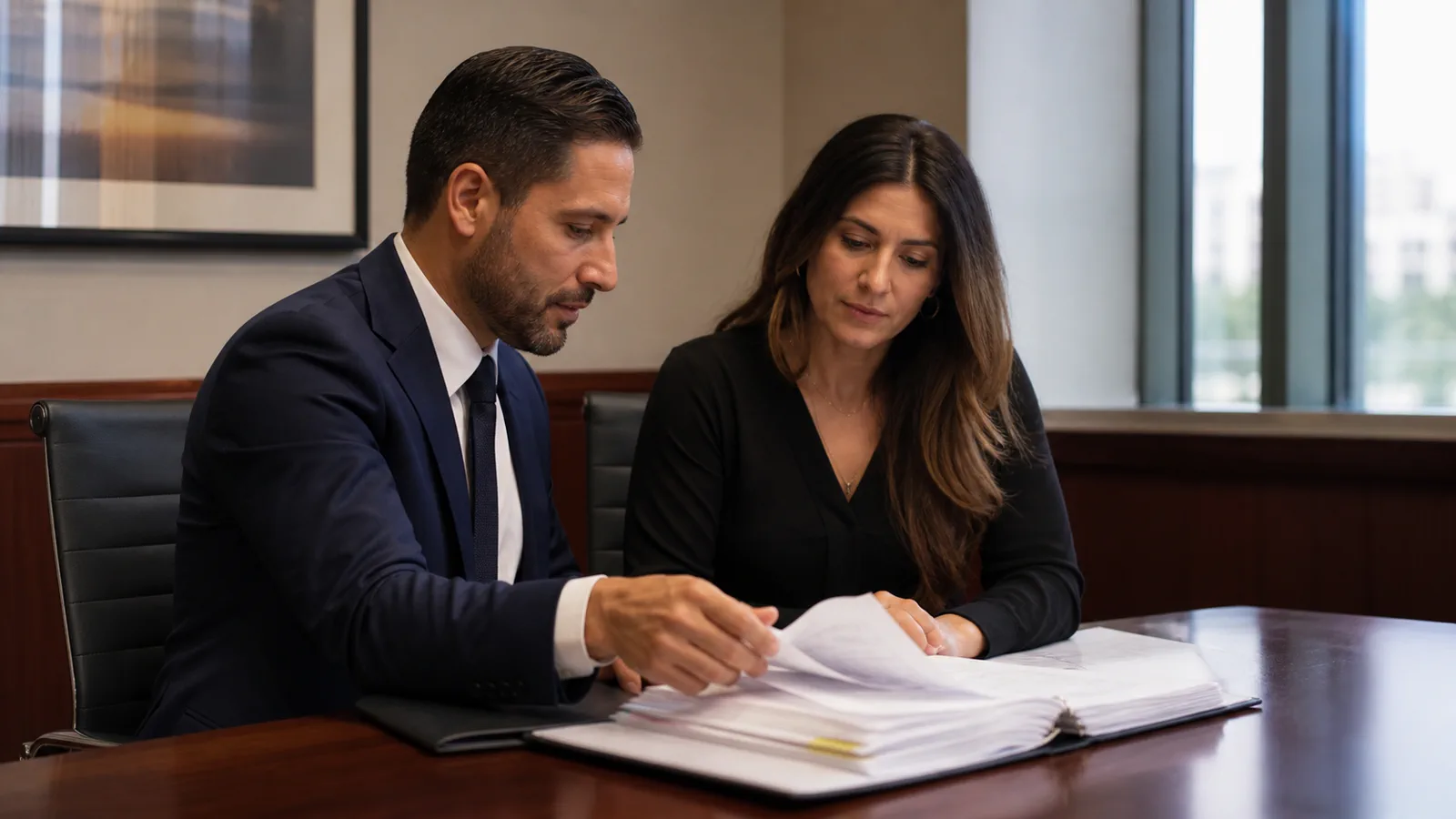
The judge may address preliminary issues, confirm service, hear testimony under oath, rule on objections, and review admitted exhibits. The petitioner generally presents evidence supporting the petition, and the respondent has an opportunity to respond. Each side may question witnesses as permitted by the court.
The hearing is not the place for interruptions or direct argument with the other party. Speak to the judge, answer the question asked, and allow counsel to make legal objections. If an interpreter, remote appearance, disability accommodation, or witness subpoena is needed, those issues should be addressed before the hearing when possible.
The judge may announce a ruling in court or issue a written order. A final injunction can contain no-contact terms, distance restrictions, location exclusions, firearm provisions, counseling requirements, parenting-related terms within the court’s authority, and an expiration date or continuing duration. The actual written order controls.
Preparing to Defend Against an Injunction Petition
A respondent should read each allegation separately and identify what is admitted, denied, misunderstood, or outside personal knowledge. Counsel may compare dates, locations, full message threads, witness accounts, and prior litigation. A broad denial without supporting records may be less useful than a precise factual response.
The firm’s injunction-defense guidance explains why immediate compliance and careful evidence preservation matter. A respondent should not violate a temporary order while preparing a defense, even if the petitioner later initiates contact.
If related criminal charges or an investigation exist, statements in the civil case can affect the criminal defense. Counsel may need to coordinate hearing strategy with constitutional rights and discovery concerns.
Preparing as a Petitioner or Protected Person
A petitioner should organize the incidents alleged in the petition and be prepared to explain why the requested relief meets the applicable legal standard. Bring supporting records and witnesses rather than assuming the petition alone proves the case.
Safety planning may involve law enforcement, confidential-address procedures, workplace or school arrangements, and trusted support resources. Victim advocacy services can help a protected person understand the legal process and communicate concerns without replacing emergency services.
If immediate danger exists, call 911 or local law enforcement. A website or scheduled legal consultation is not an emergency-response service.
Can an Old Injunction Be Changed or Dissolved?
Modification or dissolution depends on the order, procedural history, current circumstances, and governing law. Informal agreement between the parties does not necessarily change a court order. Until the court modifies or dissolves it, continue to comply with the written terms.
A person seeking relief from an old order should gather the final injunction, prior hearing records, evidence of compliance, changed circumstances, and any relevant later court orders. The firm’s page on how to dissolve or dismiss an old injunction outlines the importance of a record-based request.
What If Someone Is Accused of Violating an Injunction?
An alleged violation can lead to criminal investigation, arrest, contempt proceedings, or other consequences depending on the conduct and order. Preserve the exact order, proof of service, communications, location records, and witness information. Do not delete evidence or contact the protected person to negotiate an explanation.
Legal review may consider notice, the precise restriction, whether contact was direct or indirect, identity, intent, location, and the reliability of digital evidence. Learn more about defense of alleged domestic-violence injunction violations and related injunction violations and penalties.
Frequently Asked Questions About Broward Injunction Hearings
Do I need to attend if there is no temporary injunction?
Yes, if a hearing is scheduled and you are a party. Denial of temporary relief does not necessarily dismiss the request for a final injunction.
Can text messages be used at the hearing?
Potentially, but relevance, completeness, authentication, and evidentiary rules matter. Preserve the entire conversation and the original device or export when possible.
Can the parties agree to ignore the order?
No. A private understanding does not modify a court order. Follow the written terms until the court changes them.
Will the judge decide related criminal charges?
An injunction hearing is a civil proceeding. Related criminal allegations follow a separate process, although evidence and statements can overlap.
Can a lawyer appear at the hearing?
Yes. Counsel can prepare evidence and witnesses, address legal issues, question witnesses, and help the client understand the resulting order.
Speak With a Broward County Injunction Lawyer
If you filed or received an injunction petition, review the hearing date, temporary order, service documents, and evidence promptly. Natalie Lopez, Esq. represents petitioners and respondents according to the circumstances of the case. Request a confidential consultation or call 954.888.8833.