
Published
A damaged door, a broken window, a scratched vehicle, or paint on a wall can lead to a criminal investigation. But the visible damage does not by itself answer who caused it, whether the conduct was intentional, what the property was worth, or whether the allegation fits the statute. Those questions depend on the evidence and the specific charge.
Florida’s criminal mischief statute covers willful and malicious injury or damage to real or personal property belonging to another. It includes graffiti and other vandalism, but the statute is not limited to those examples. The current text is available in the Florida Senate’s 2026 criminal mischief statute.
Intent and ownership are central questions
The statutory language makes intent important. Investigators may look at what happened before and after the damage, the relationship between the people involved, whether the property was shared, and whether anyone had permission to alter or repair it. A disagreement about a damaged item does not settle those questions by itself.
Accidents, mistaken identity, disputed ownership, and conflicting accounts can all require closer review. They are not automatic defenses. The relevant issue is whether the evidence supports the required elements of the charged offense.
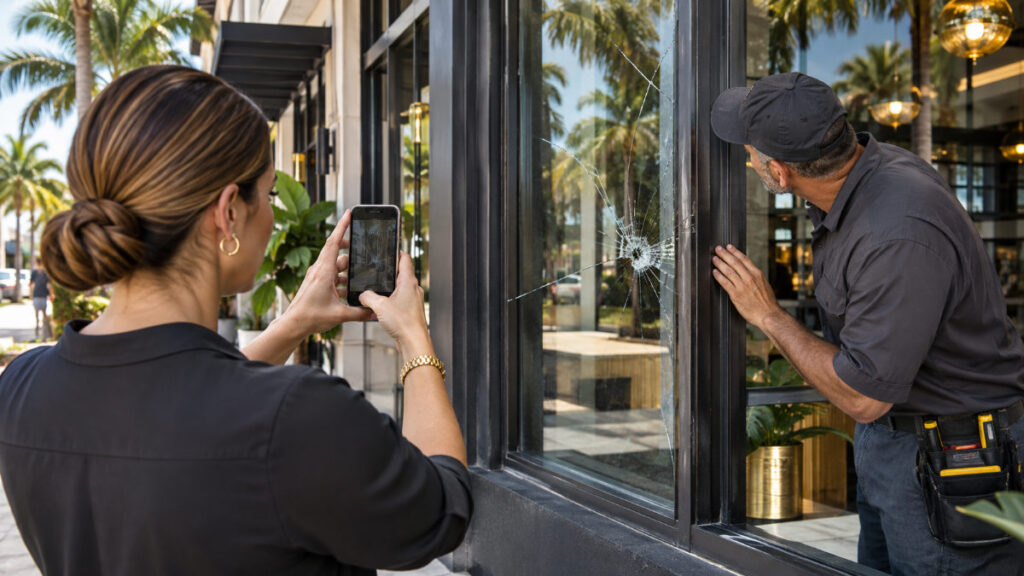
Why the amount of damage can matter
For the standard offense in subsection (1), Florida law sets different classifications based on the amount of damage: $200 or less is generally a second-degree misdemeanor; more than $200 but less than $1,000 is generally a first-degree misdemeanor; and $1,000 or more is generally a third-degree felony. The statute also provides for reclassification in certain circumstances and contains separate provisions for particular kinds of property or conduct. The exact subsection and current law should be checked in any individual case.
A repair estimate can be relevant, but a number on an invoice does not answer every question about the alleged loss. The condition of the property before the incident, the work actually needed, the parts and labor included, and whether separate damage was combined may all warrant attention. If the alleged value affects the charge, the supporting records deserve a careful look.
Evidence that can help establish context
Useful records may include dated photographs, original security-camera footage, witness accounts, maintenance histories, repair estimates, receipts, and communications about access or permission. The source and timing of each item matter. For example, a recording may show the property before damage occurred but not who caused it, or it may capture only part of an event.
Preserve original files when possible. Avoid cropping, annotating, or reposting photos and video; keep a separate note of when and how each file was received. If a building or business has cameras, identify them promptly because some systems overwrite footage. Do not contact a witness to coordinate an account.
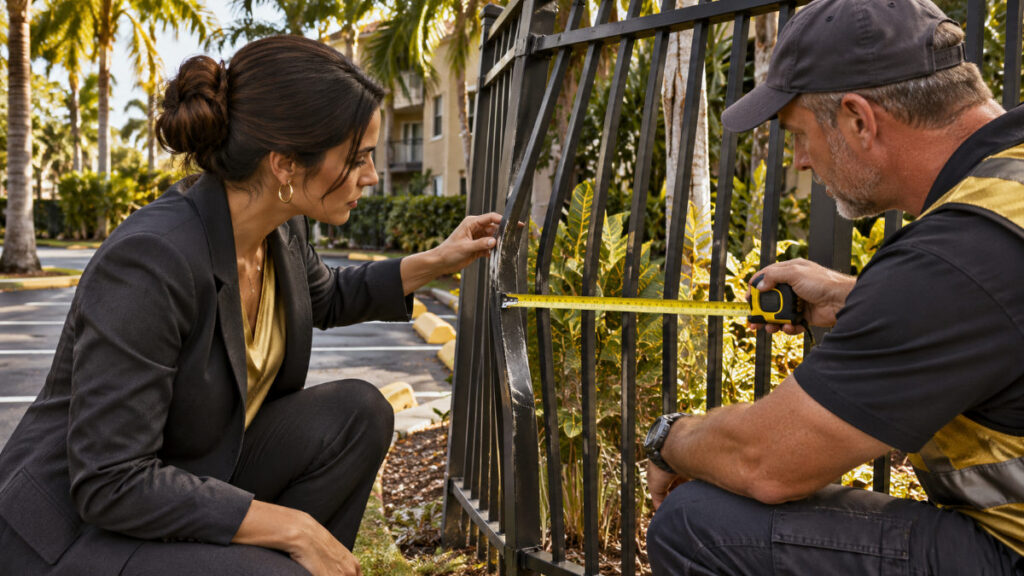
Practical steps after an accusation
- Keep the citation, arrest paperwork, release conditions, and court notices together.
- Write down a private timeline while memories are fresh, including who had access to the property and when the damage was first noticed.
- Save original photos, messages, receipts, and videos, and make a list of possible cameras or witnesses.
- Do not post about the allegation publicly, edit potential evidence, or make promises about payment before getting case-specific advice.
- Follow every release condition and court date. Ask a lawyer how to preserve records and respond to requests for an interview.
Florida law also allows a person who violates the statute to be required to pay for damages in addition to other criminal penalties. That does not mean a repair payment alone determines whether a criminal case ends. The charge, the evidence, and the court process remain important.
Related criminal defense information
Natalie Lopez, Esq. represents people facing a range of accusations through the firm’s criminal defense practice, including theft and property-crime matters. To discuss a specific situation, use the firm’s contact page. A general webpage cannot determine how an individual allegation will be resolved.
Common questions
Is criminal mischief the same as vandalism?
Vandalism and graffiti are examples named in Florida’s statute. The law also covers other willful and malicious damage to another person’s real or personal property.
Can accidental damage lead to a criminal mischief charge?
The statute uses the terms “willfully and maliciously.” Whether the evidence supports those requirements depends on the circumstances and the exact charge; the fact that something was damaged does not answer intent on its own.
Does the repair estimate determine the charge level?
The amount of damage can affect the classification under the standard subsection, but the estimate and its supporting details may need review. Other statutory provisions can apply in particular situations.
This article is general legal information, not advice about any person’s case. It does not create an attorney-client relationship or guarantee an outcome. Florida law can change, and its application depends on the current law and specific facts.